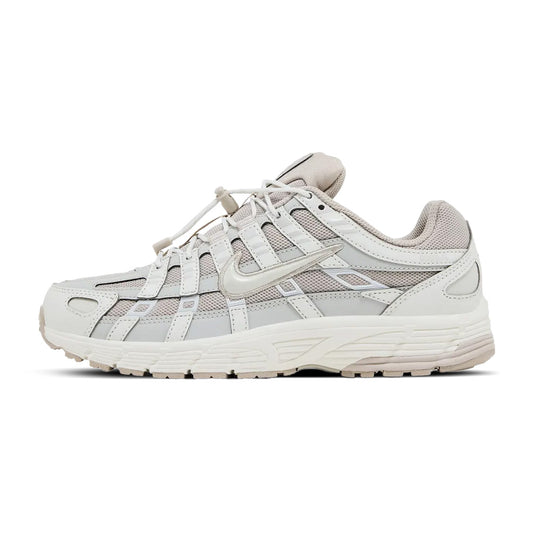
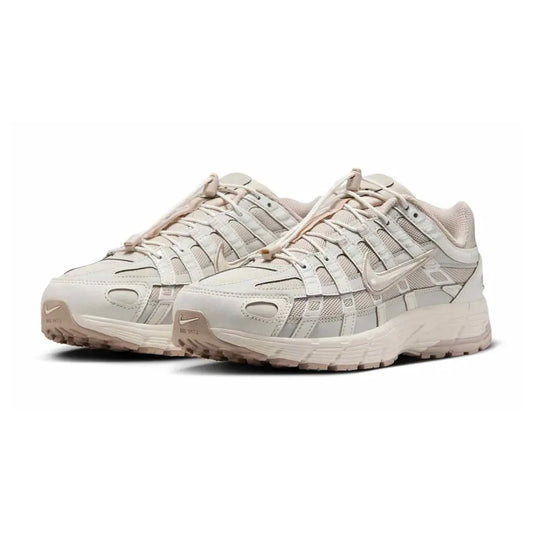
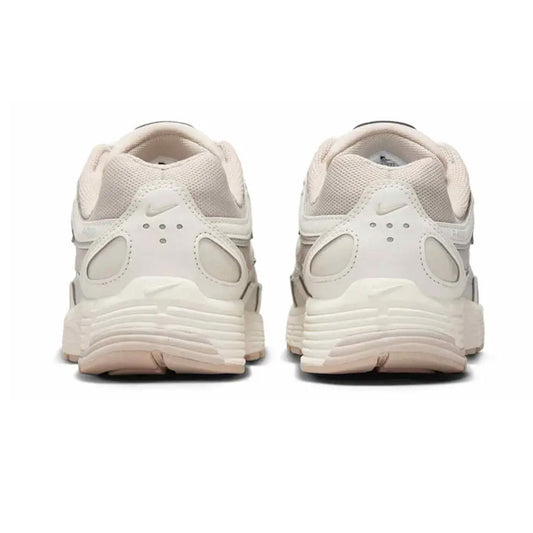
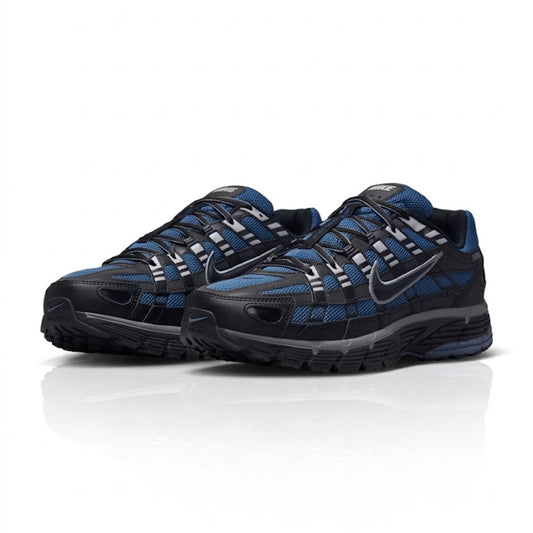
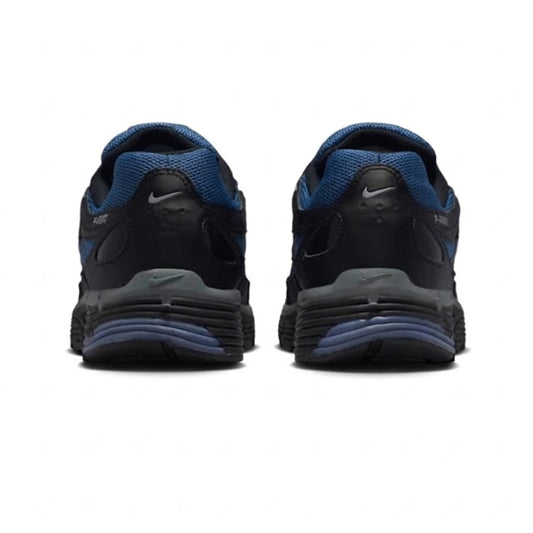
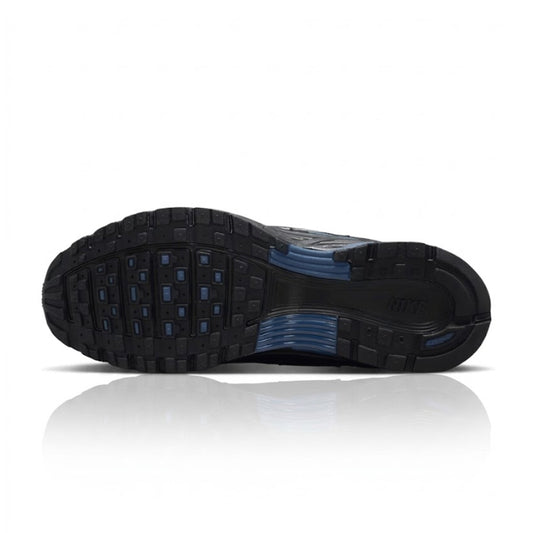
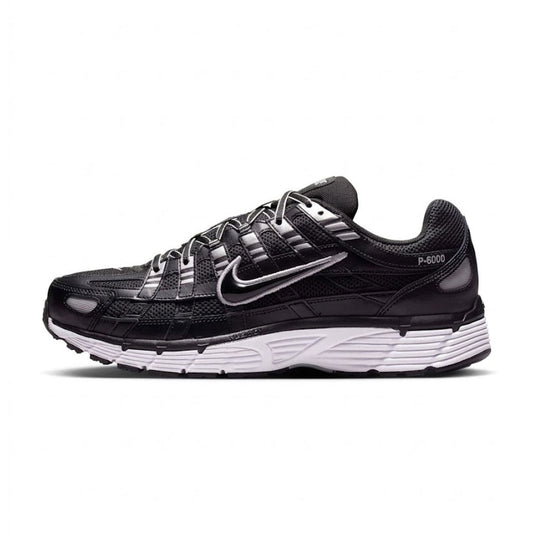
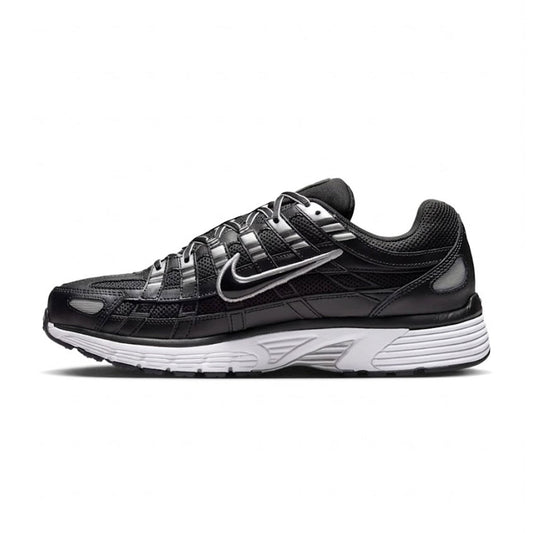
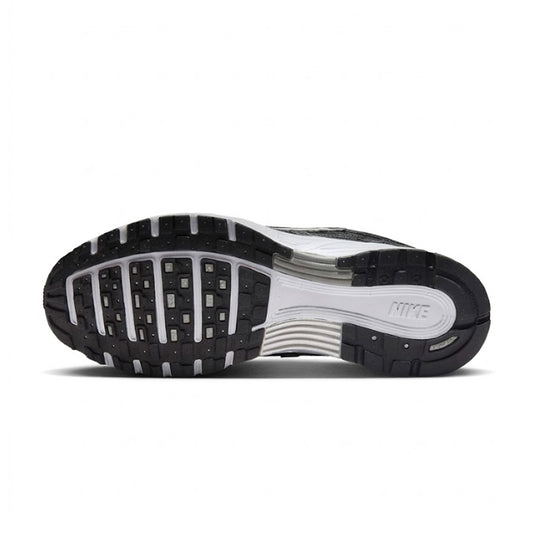
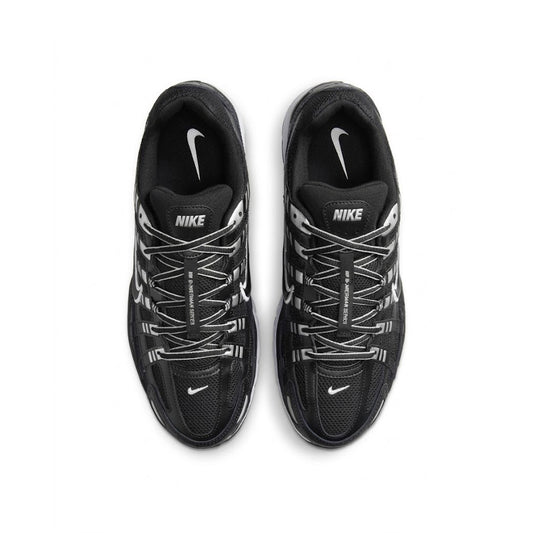
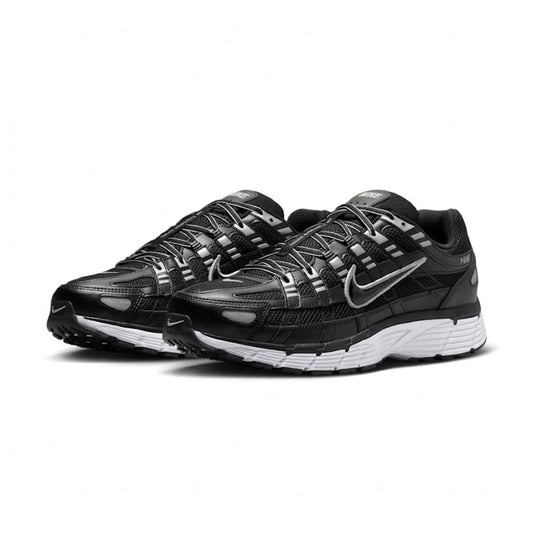
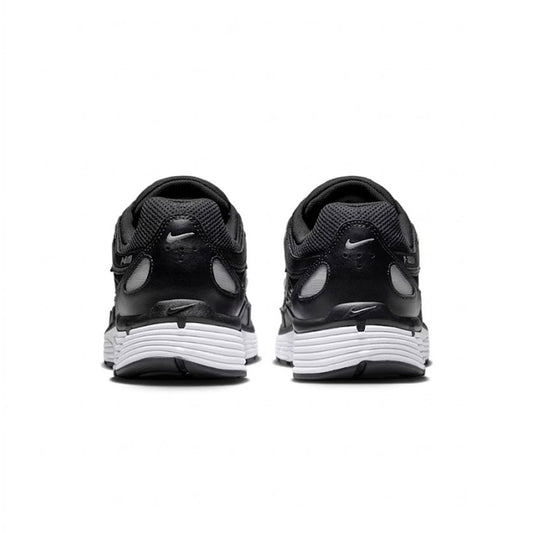
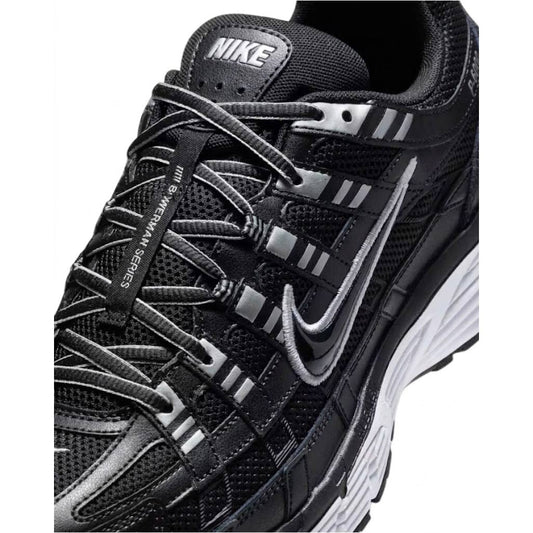
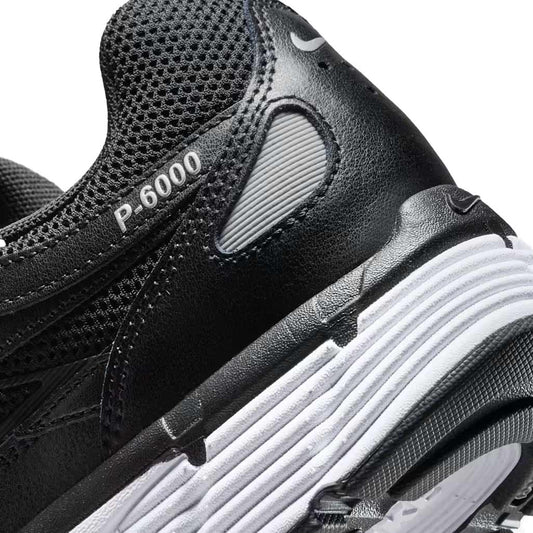
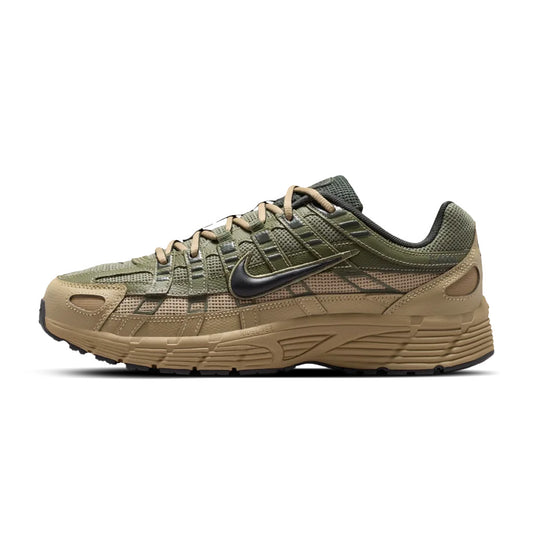
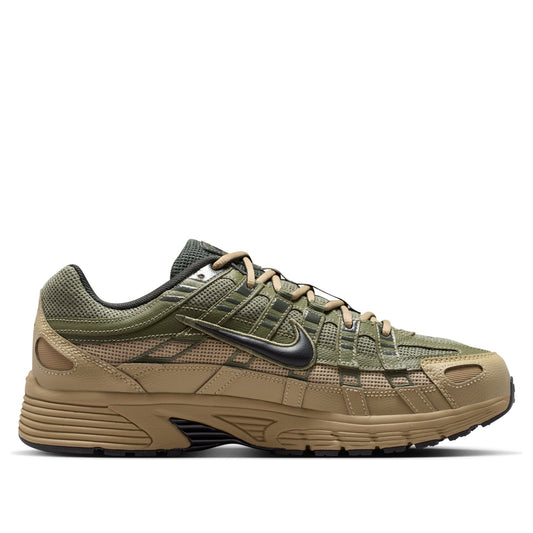
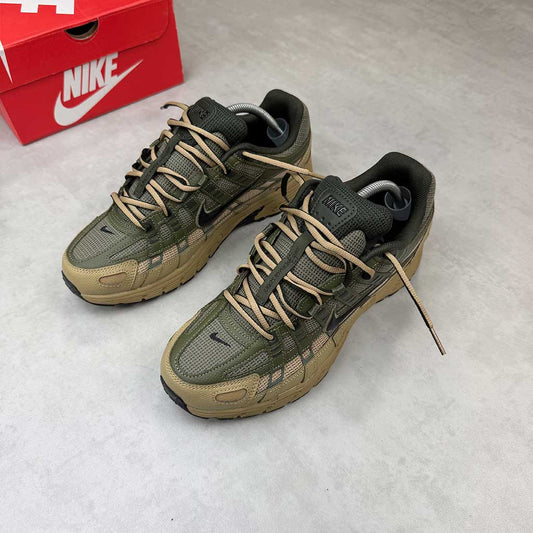
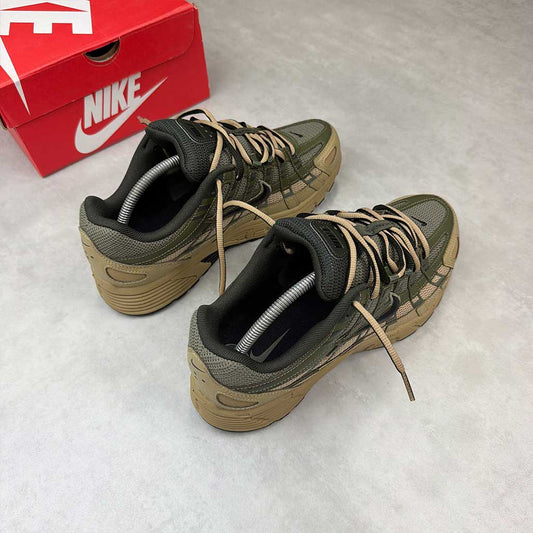
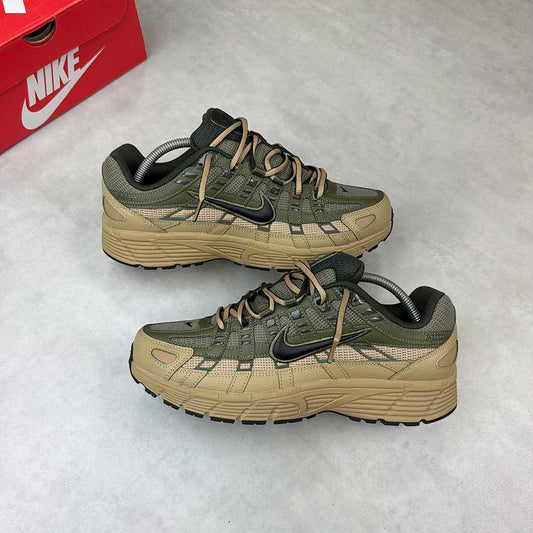
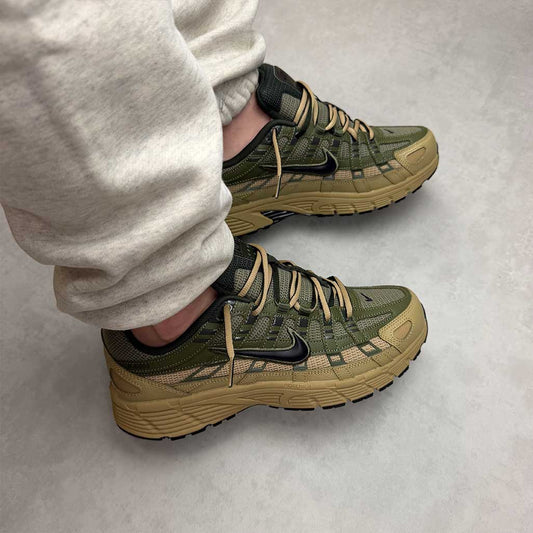
Nike P-6000 Sizing Guide: Do Nike P-6000 Run True to Size?
When buying sneakers online, getting the fit right is just as important as choosing the model, colour or price. At OG Kicks, we know one of the most important questions before buying a pair is also one of the simplest: what size should I choose?
That is particularly relevant with the Nike P-6000. Once you have decided that this is the sneaker you want, the remaining question is often whether your usual size will give you the right combination of space, comfort and support.
So rather than relying only on a size chart, this guide explains how the Nike P-6000 fits, what the toe box feels like, how the midfoot is structured and when you might consider changing your usual size.
The short answer is straightforward: the Nike P-6000 generally fits true to size. Independent fit data based on hundreds of owner votes supports this, while Nike's own product information and customer reviews also point towards a consistent fit.
If you already wear Nike running-inspired models such as the Nike Pegasus or Nike Vomero 5 in a particular size and that fit works comfortably for you, your usual Nike size is a useful starting point for the P-6000. However, the best fit is not determined by length alone. Foot width, toe room and the way you prefer your sneakers to feel all matter.
Do Nike P-6000 Run True to Size?
Yes. The Nike P-6000 generally runs true to size, so most people should start with their usual Nike size rather than automatically sizing up or down.
RunRepeat's current sizing data records the P-6000 as true to size based on hundreds of owner responses. Its laboratory measurements also place the shoe within a medium-width fit, with the forefoot measuring slightly wider than the average sneaker in its comparison set.
Nike's own product reviews point in the same direction, with verified buyers reporting a true-to-size fit. At the same time, individual preferences vary: some wearers prefer additional room in front of the toes and may choose to go up half a size.
That means there is no reason to size up simply because the P-6000 has a substantial-looking upper or a retro running silhouette. Your normal Nike size should be the first size you consider.
How Does the Nike P-6000 Fit?
The P-6000 has a fit that combines a relatively accommodating forefoot with structured support around the rest of the foot.
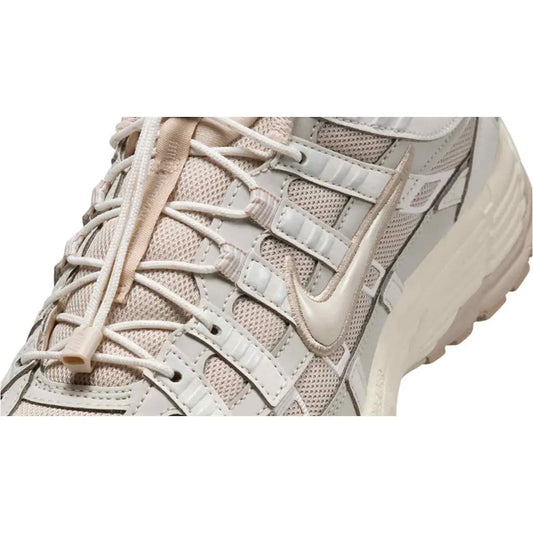
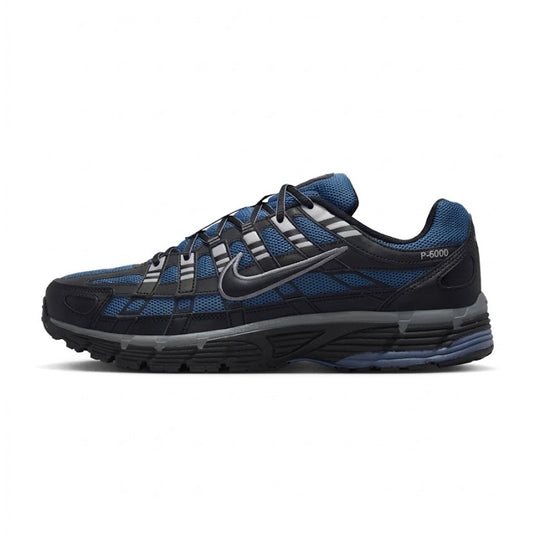
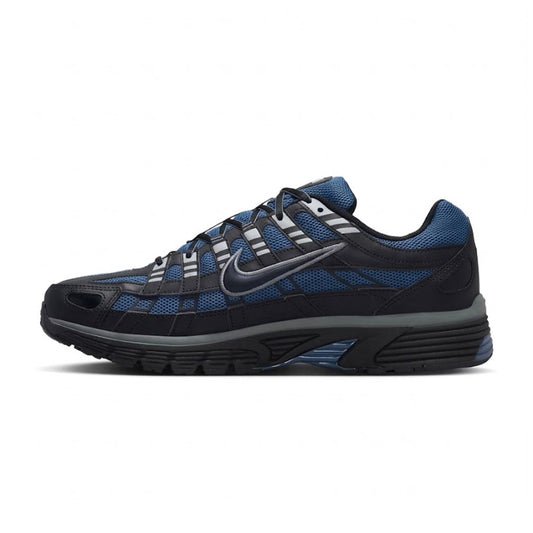
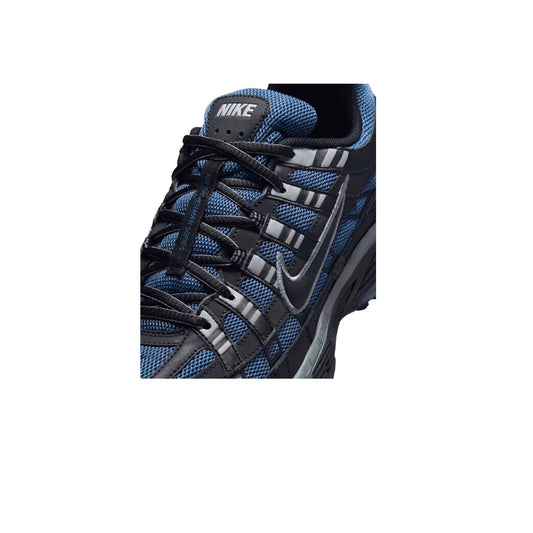
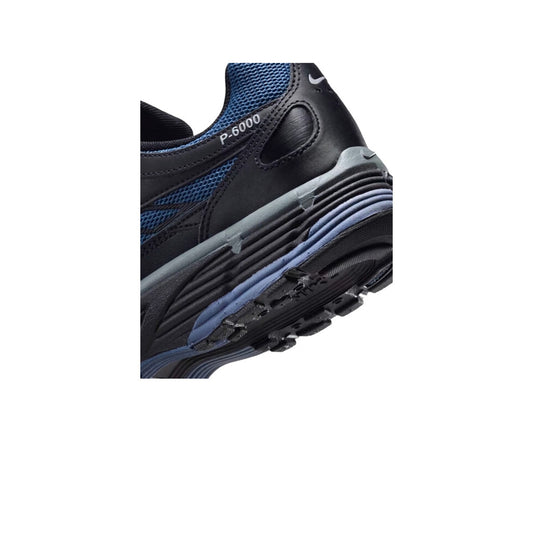
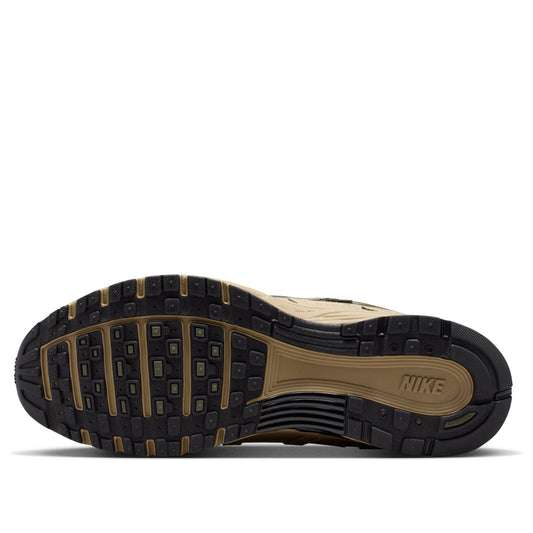
Its upper uses breathable mesh with real and synthetic leather overlays, giving the sneaker the layered appearance associated with early-2000s running shoes. The foam midsole provides lightweight cushioning, while the rubber outsole adds traction.
That construction affects how the sneaker feels on foot. The mesh provides some flexibility, but the overlays give the upper more structure than a completely soft, unstructured trainer.
The result is a fit that should feel secure rather than loose, particularly through the middle of the foot, while still giving the toes enough room to move naturally.
This distinction is important when choosing your size. A sneaker can feel snug because it is designed to hold the foot securely without actually being too small.
Is the Nike P-6000 Comfortable?
The P-6000 is designed around everyday comfort rather than the fit of a technical performance running shoe. Nike describes the foam midsole as providing lightweight cushioning and a plush underfoot feel, while current customer feedback frequently highlights its comfort for walking and everyday use.
Independent testing also found a rounded toe box and a medium-width overall fit, with measurements that were slightly wider than average around the metatarsal area.
This makes the P-6000 particularly relevant for the way many people actually wear it today: walking, everyday activities, casual outfits and extended periods on your feet.
The important point is that comfort should not be confused with excessive space. Your foot should feel supported inside the sneaker without being compressed.
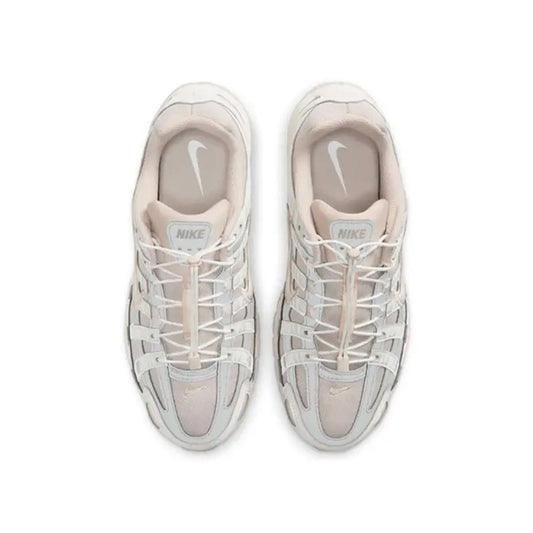
How Much Room Should You Have in the Toe Box?
Your toes should have enough room to move naturally without constantly touching the front of the sneaker.
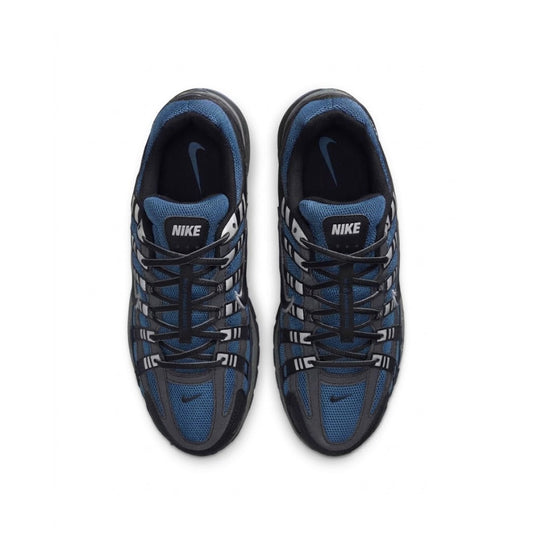
The P-6000 has a rounded toe box, and independent measurements place its toe-box width close to the average while finding slightly more overall forefoot width than the comparison average.
When trying the sneaker on, pay attention to how your toes sit when you are standing rather than judging the fit only while seated. Your foot spreads slightly when you put your weight on it, so a pair that feels acceptable while sitting can feel noticeably tighter once you start walking.
A good P-6000 fit should allow natural toe movement while keeping the foot stable.
If your toes are touching the front or you feel pressure around the sides, that is a stronger reason to reconsider your size than simply following a general rule about sizing up or down.
Are Nike P-6000 Good for Wide Feet?
The Nike P-6000 has a medium-width fit, but its forefoot measurements are slightly wider than average. RunRepeat measured 93.9 mm across the metatarsal area compared with a 92.4 mm average in its comparison group.
That means people with moderately wider feet may find the P-6000 more accommodating than its appearance might suggest.
However, there is no universal rule that someone with wide feet should automatically go up half a size. Increasing the length of the shoe also changes how your foot sits inside it, and a larger size can create unnecessary heel movement if the additional length is not actually needed.
If your usual size gives you enough room around the forefoot and your toes can move naturally, there is no reason to size up simply because you have a wider foot.
If you experience genuine lateral pressure or the toe box feels too restrictive, then comparing your usual size with a half-size larger can make sense.
Should You Size Up or Down in the Nike P-6000?
For most people, neither. Start with your normal Nike size.
There are, however, situations where your preference or foot shape may make another size more appropriate.
When you might consider going up half a size
A half-size increase may be worth considering if:
-
You regularly need additional room around the forefoot.
-
Your toes feel restricted in your normal size.
-
You prefer a roomier everyday fit.
-
You are between sizes and normally prefer more space rather than a close fit.
-
Your normal size already feels tight in other Nike sneakers.
The key is that going up should solve an actual fit issue. It should not be treated as the default P-6000 sizing recommendation.
When you might prefer your usual size
Your regular Nike size is generally the right place to start if:
-
Your current Nike sneakers fit comfortably.
-
You have a medium-width foot.
-
Your toes have natural movement without touching the front.
-
Your heel stays secure when walking.
-
You prefer a close, stable fit rather than extra room.
What about going down half a size?
Sizing down is not something we would recommend simply because the P-6000 has a relatively accommodating forefoot.
If your normal size already feels comfortable, going smaller can create unnecessary pressure at the toes or forefoot. A secure fit is not the same thing as a tight fit.
Nike P-6000 vs Nike Pegasus and Vomero 5: Can You Use Your Usual Size?
If you already own Nike sneakers, they can be a useful reference point when choosing your P-6000 size.
For example, if you wear a particular size in the Nike Pegasus and that size gives you comfortable toe room and a secure heel, it provides a useful starting reference for the P-6000.
The same applies if you regularly wear the Nike Vomero 5.
However, do not assume that two Nike models will feel identical simply because they share the same numerical size. Different lasts, upper constructions and intended uses can change the sensation on foot.
The P-6000 combines mesh with multiple overlays and a retro running-inspired structure, so what matters is not only the number printed inside the shoe but how that size fits your particular foot.
Does the Nike P-6000 Stretch With Wear?
You should not choose your size assuming that the P-6000 will significantly stretch after several wears.
The mesh upper has some flexibility, but the sneaker also uses structured leather and synthetic overlays that help maintain the shape of the upper.
That means the first fitting remains an important reference.
If the shoe feels secure and comfortable from the beginning, normal use may allow the materials to settle naturally around your foot. But if you immediately experience significant pressure at the toes or uncomfortable compression across the forefoot, it is better to address the sizing issue rather than expecting the sneaker to transform after repeated wear.
How Should the Nike P-6000 Feel When the Fit Is Right?
A correctly sized P-6000 should give you a combination of space, support and stability.
Your toes should be able to move naturally without repeatedly hitting the front.
The midfoot should feel secure without creating uncomfortable pressure.
The heel should stay reasonably stable as you walk rather than lifting excessively with every step.
And the upper should hold your foot without making you feel as though it is being compressed from all sides.
This is the difference between a sneaker that is simply large enough to fit and one that is properly fitted to your foot.
A slightly secure sensation around the middle of the foot is not automatically a sign that the P-6000 is too small. What matters is whether that security remains comfortable when you walk, stand and move.
How to Check Your Nike P-6000 Size Before Buying Online
When buying sneakers online, a few simple checks can reduce the chance of choosing the wrong size.
First, identify the Nike size you currently wear in a sneaker that fits you well. Do not base your decision only on another brand if you already have a reliable Nike reference.
Second, consider how your current sneakers fit rather than only what size they are. If your usual Nike size leaves comfortable toe room and gives you a secure heel, it is a stronger reference than simply knowing the number.
Third, think about your foot width. If you normally have problems with pressure across the forefoot, pay particular attention to the P-6000's width and consider whether your preferred fit requires additional room.
Finally, check the specific size options available for the colourway you are considering before completing your order.
Nike P-6000 Sizing: The Short Answer
If you are wondering whether to buy the Nike P-6000 in your usual size, True to Size is the best starting point for most people.
The P-6000 has a medium-width fit with a slightly more accommodating forefoot than average, while its mesh-and-overlay construction gives the upper enough structure to keep the foot secure. Independent sizing data and Nike customer feedback both support the general True to Size recommendation.
If your normal Nike size already fits comfortably, there is usually no reason to change it.
If you have a wider foot or prefer noticeably more room around the toes, compare how your usual size feels first. A half-size increase can be worth considering when your normal size creates genuine pressure or does not give you enough space, but it should not be treated as a universal rule.
The most important thing is to choose the size that gives you enough room to move naturally while keeping the heel and midfoot secure.
Ready to Choose Your Nike P-6000?
Once you know how the P-6000 fits, choosing your pair becomes much simpler.
Use your usual Nike size as your starting point, consider your foot width and preferred amount of toe room, and then check the available sizes for the colourway you want.
Explore the Nike P-6000 collection at OG Kicks and find the pair that fits your rotation.