How to Tell if Travis Scott Sneakers Are Authentic
Buying Travis Scott sneakers often starts with excitement around the design, the collaboration and the release itself, but for many buyers there is another question that comes before anything else: are they authentic? With highly sought-after collaborations commanding significant prices on the resale market, knowing how to evaluate a pair before buying can be just as important as knowing which release you want.
The difficulty is that authenticity is rarely something you can establish by looking for one perfect detail. A genuine pair should make sense as a whole. The construction, materials, branding, labels, packaging and finishing details should tell a consistent story about the same model and release. That is a more useful way to approach Travis Scott authentication than relying on a single feature that is supposed to separate a real sneaker from a fake one.
Start With the Sneaker as a Whole
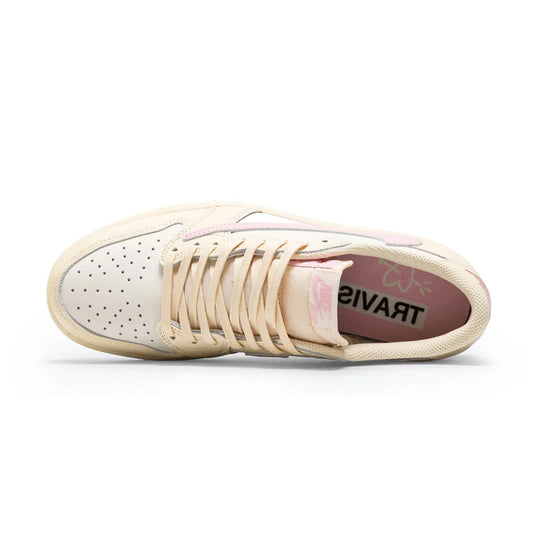
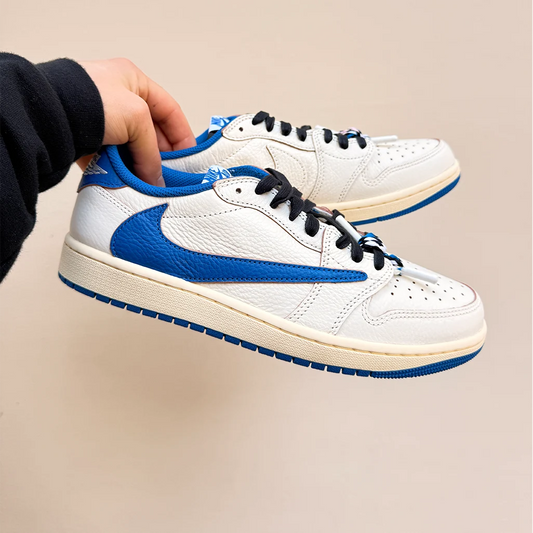
The first step is to look at the sneaker without immediately focusing on one small detail. Consider its overall shape, proportions and construction, and compare what you see with what is expected from the specific Travis Scott model you are examining. The silhouette should feel coherent from every angle, rather than relying on one recognizable element to create the impression of authenticity.
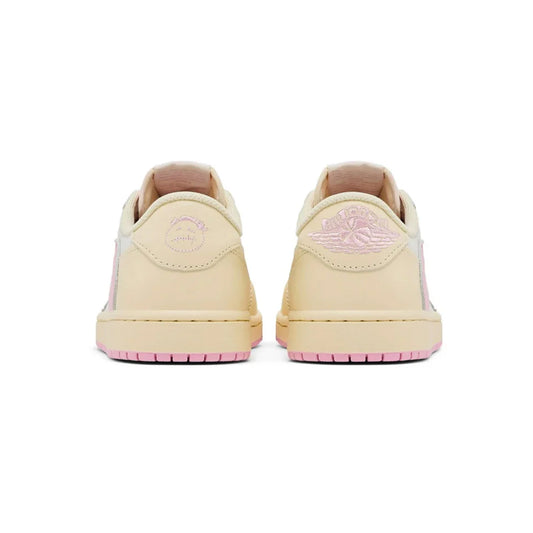
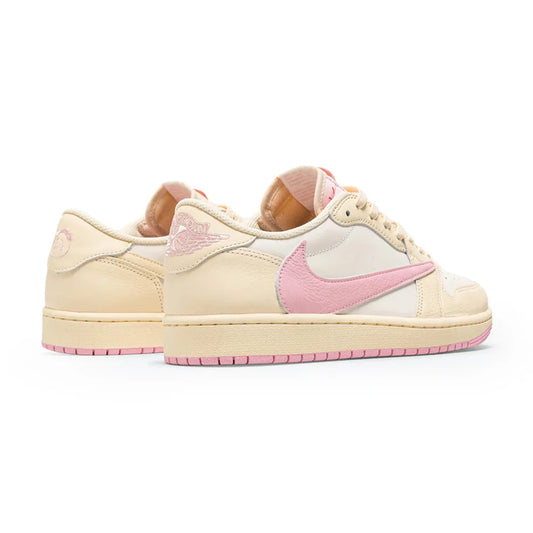
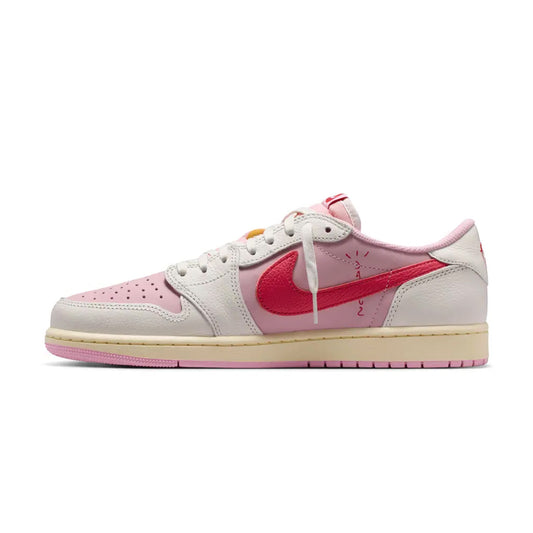
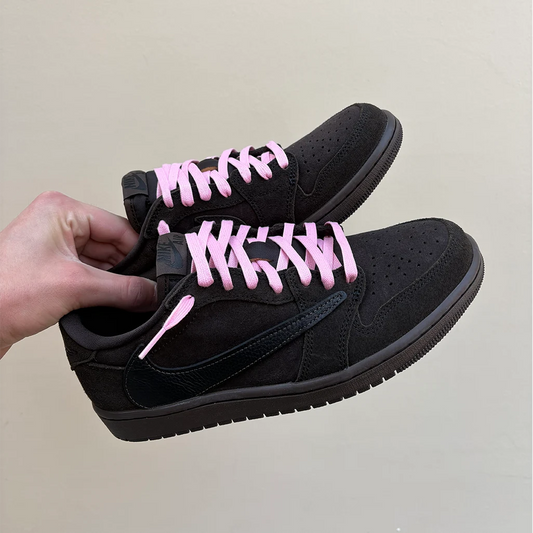
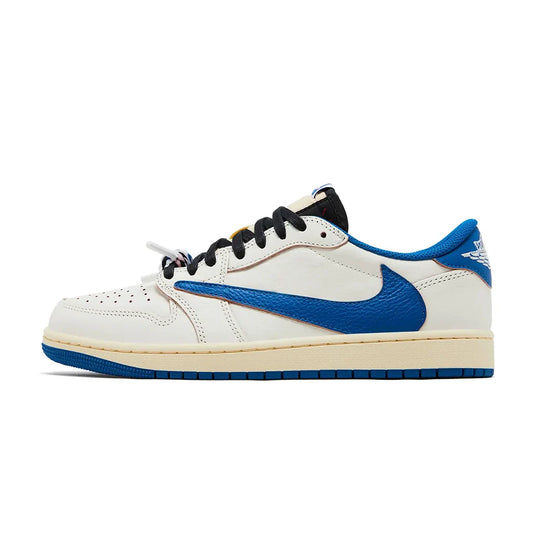
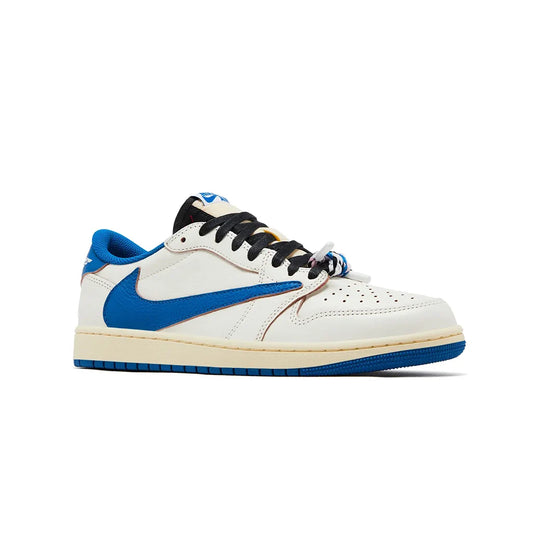
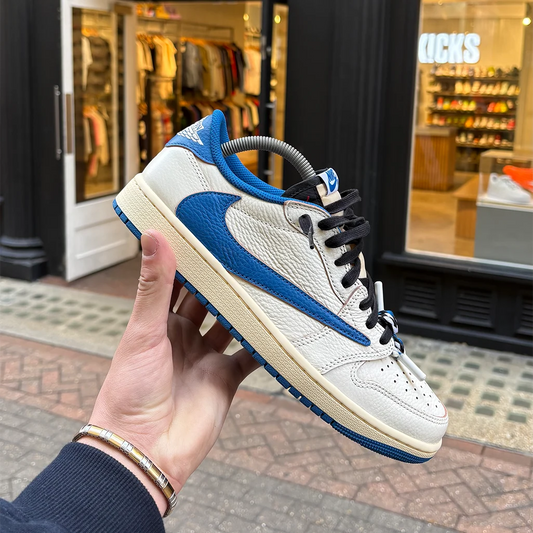
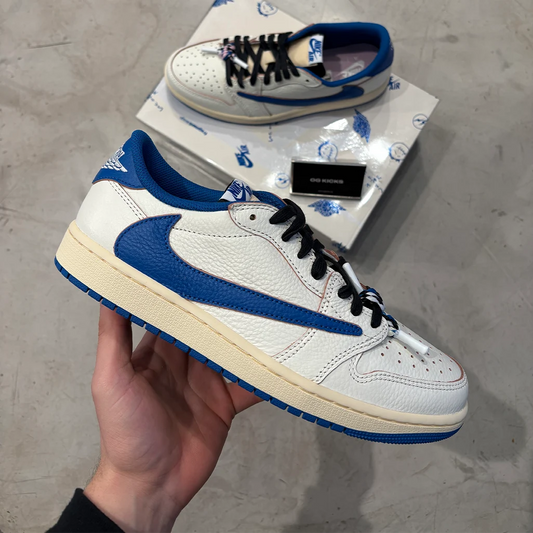
This is particularly important with Travis Scott collaborations because the designs contain several distinctive elements. The reverse Swoosh, Cactus Jack branding, contrasting materials and unusual panel configurations are highly recognizable, but their presence alone does not establish that a pair is genuine. The question is whether those elements have been executed consistently with the model and release.
Look Closely at the Construction
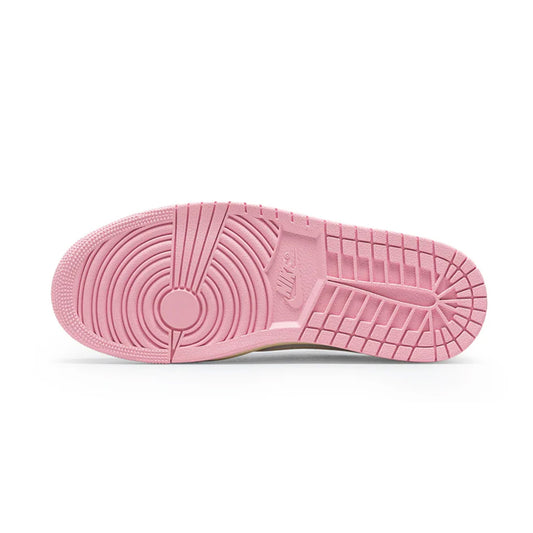
Construction can reveal details that are difficult to judge from the overall appearance of a sneaker. Examine the proportions of the panels, the way different components are assembled and the quality of the finishing around the edges and seams. Small inconsistencies can become more meaningful when they appear alongside other differences.
The exact construction will depend on the model. An Air Jordan 1 High and an Air Jordan 1 Low, for example, should not be assessed as though they were identical products. Different Travis Scott releases can also introduce changes in materials, colours and details, so authentication should always begin with the correct model and release rather than with a generic idea of what every Travis Scott sneaker should look like.
Pay Attention to the Materials
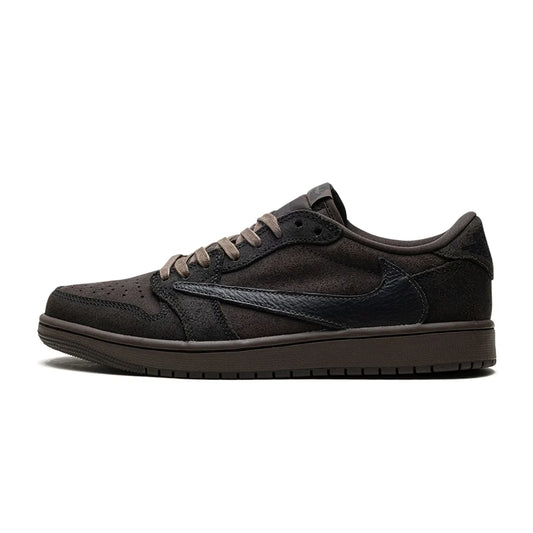
Materials are another important part of the picture. Travis Scott releases frequently combine elements such as suede, leather, nubuck and textiles, creating a distinctive contrast of textures across the sneaker. The appearance and application of those materials can therefore provide useful information when evaluating a pair.
Rather than simply asking whether the materials look expensive, compare their texture, structure and placement with the characteristics associated with the particular release. The way a material sits on a panel, how its texture reacts to light and how different materials transition into one another can all contribute to the overall consistency of the pair.
A material that looks slightly different in isolation is not automatically evidence of a fake. Lighting, photography and normal production variation can affect how a sneaker appears. What matters more is whether several material-related details begin to suggest that the pair does not correspond to the expected construction.
Examine the Branding
Branding deserves its own inspection because Travis Scott sneakers combine familiar Nike and Jordan elements with the visual identity of Cactus Jack. The reverse Swoosh is one of the most recognisable features across the Air Jordan 1 collaboration, but it should be considered alongside the other branding rather than treated as a simple authenticity test.
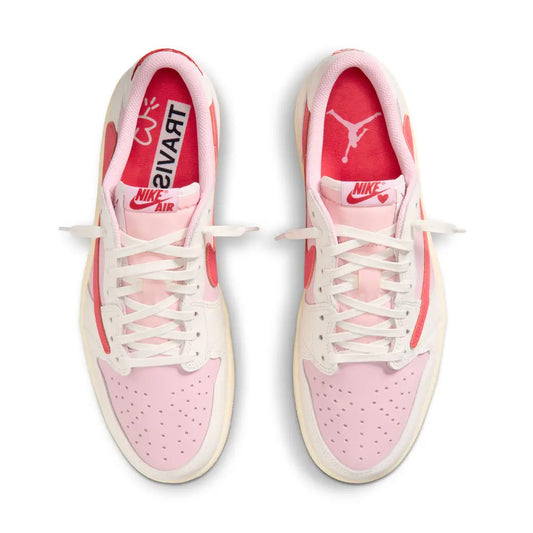
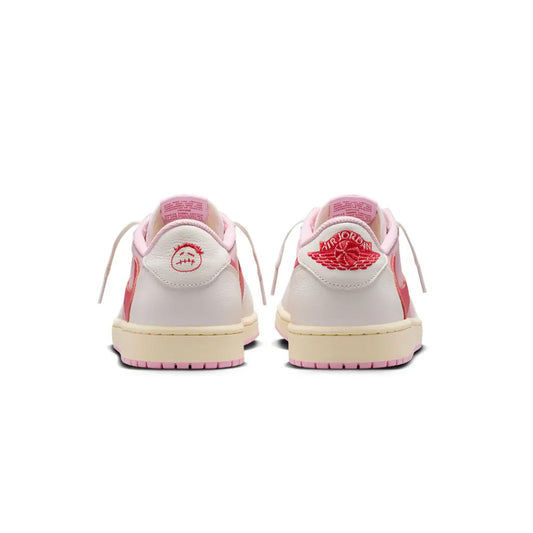
Look at the proportions, placement and finishing of the Swoosh, Cactus Jack graphics, Wings branding and other model-specific details. Their relationship to the surrounding panels can be just as informative as the logo itself. On a collaboration where branding is such a prominent part of the design, inconsistencies in positioning or execution can become noticeable when the sneaker is examined closely.
The same principle applies to smaller graphic details. A replica may reproduce the overall concept successfully while showing differences in printing, embroidery, proportions or placement. These details become more useful when they are compared with the rest of the sneaker rather than evaluated independently.
Check the Labels and Product Information
Labels provide another point of comparison. Depending on the model, information such as the size, product code and other identification details can be checked against the expected characteristics of the release.
The important point is not to treat a correct-looking label as proof of authenticity. A label is only one part of the product. It should correspond with the sneaker itself, the model, the release and the other information available about the pair.
This is where cross-checking becomes particularly useful. If the information on the label appears correct but other aspects of the sneaker do not match the expected release, the label should not automatically outweigh those inconsistencies.
Don't Ignore the Packaging
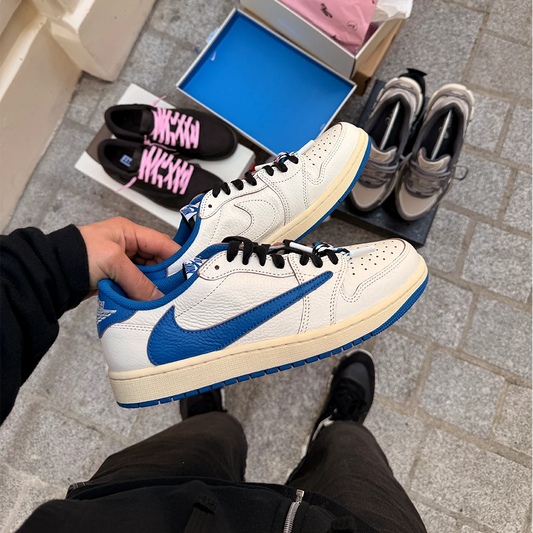
The box and accompanying elements can provide another layer of information. Depending on the release, packaging may include specific box details, paper, accessories or other components associated with the collaboration. These elements can help establish whether the product presented to you makes sense as a complete release.
But packaging should also be viewed as supporting evidence rather than definitive proof. A genuine-looking box does not make an otherwise inconsistent sneaker authentic, just as a missing accessory does not automatically prove that the shoes themselves are fake.
The useful question is whether the packaging and the sneaker belong together. When the model, labels, box and accessories all correspond to the same release, they reinforce the overall picture. When they do not, the discrepancy deserves closer attention.
Look at the Small Finishing Details
Once the major elements have been checked, smaller details can help complete the picture. Stitching, printed graphics, edges, glue application, embroidery and other finishing details can reveal inconsistencies that are difficult to notice when looking at the sneaker from a distance.
None of these details should be treated as an automatic pass-or-fail test. Production differences exist, and photographs can make relatively minor variations appear more significant than they are. The value comes from looking for patterns rather than isolated imperfections.
A single unusual detail may have an innocent explanation. Several inconsistencies appearing across construction, materials and branding are more relevant because they begin to challenge the overall coherence of the pair.
Authenticity Is About Consistency
This is the most important principle when evaluating Travis Scott sneakers: do not look for one detail that proves authenticity; look for multiple details that agree with one another.
The construction should correspond to the model. The materials should make sense for the release. The branding should be positioned and executed consistently. The labels should correspond to the product. The packaging should make sense for the same release. When these different elements point in the same direction, they create a much stronger basis for evaluating the pair.
This approach also helps avoid the opposite mistake: assuming that every small difference means a sneaker is fake. Authentic sneakers can have minor production variations, and photographs, lighting and wear can change the way certain details appear. A responsible authentication process therefore requires context.
Why One Detail Is Never Enough
The idea of finding a single “tell” can be tempting because it makes authentication sound simple. In reality, highly sought-after sneakers can contain many details that require comparison, and replicas can reproduce individual features surprisingly well.
That is why a reverse Swoosh that looks correct, a convincing box or a matching product label should not end the inspection. Each element adds information, but the strongest assessment comes from understanding how those elements relate to one another.
For buyers, this changes the question from “Does this one detail look right?” to “Does the entire pair make sense as this particular Travis Scott release?”
Before You Buy
If you are considering a Travis Scott sneaker on the resale market, take time to examine the complete product rather than relying only on photographs of its most recognisable features. Compare the model and release first, then work through its construction, materials, branding, labels, packaging and finishing details.
When several elements appear inconsistent, that is a reason to investigate further before committing to the purchase. When the different parts of the product consistently correspond with the expected characteristics of the release, you have a stronger basis for making an informed decision.
For particularly valuable purchases, additional authentication from a specialist or established authentication service can provide another layer of confidence. The goal is not to find a magic detail that eliminates every doubt, but to reduce uncertainty by checking as much of the product as possible.
Ultimately, authenticating Travis Scott sneakers is about reading the entire pair rather than searching for one answer. The strongest evidence comes from consistency: the sneaker, its materials, its branding, its identification details and its packaging should all belong to the same story.